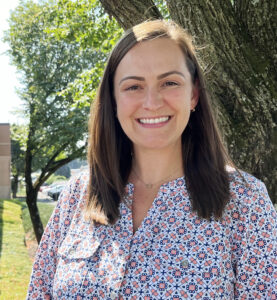
 At the impressionable age of 10, Kristi Altice watched as hospice staff cared for her beloved grandfather during his final stage of life. Like two sides of coin, she felt the sadness of loss while admiring the support and comfort the hospice staff provided for her loved ones. Kristi believes this experience led her to her career as a nurse practitioner for Homeland’s palliative care program.
Kristi joined Homeland in 2024 to help support the organization’s growing palliative care outreach efforts. She loves spending time with patients to create individualized plans of care based on their unique needs and goals. The diversity of her work reflects the many layers of palliative care.
“My work is very fluid,” Kristi says. “I meet people where they are in life and walk with them for as long as I am needed.”
Homeland’s palliative care program is designed to help patients with a serious illness who need pain and symptom management support. It can be provided at any time during a person’s illness and may be offered to patients at the same time they are receiving potentially life-prolonging or curative treatments. Palliative care does not prevent patients from receiving other healthcare services, treatments or procedures.
Kristi often meets patients for additional care or when patients seek out palliative support to help them live while dealing with a serious illness. Palliative care services are provided anywhere a patient calls home. At all times, Kristi elevates the needs of her patients to ensure their voices are heard.
“Patients are often overwhelmed and vulnerable,” Kristi adds. “I think about my patients’ personal situation and how I can help them.”
Kristi thrives on the variety each day brings and the life lessons she learns from her beloved patients who often feel like family members. She treats these lessons like stepping stones, guiding her to provide deeper insight and elements of care as she meets future patients. Over the years, Kristi’s education, training and experiences have defined how she feels about death and having difficult conversations many of us strive to avoid.
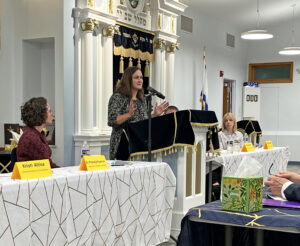
“I believe conversations about end-of-life care are important to have before care is needed,” Kristi says. “People are hesitant to bring up the topic, and relieved once you have an open conversation.”
For many people, discussing death as well as any form of care reminds us of our fragility. Early discussions with trained medical professionals, like Kristi, gives us knowledge to make informed decisions about future choices. Kristi recommends all
families have this intentional conversation before the emotional stress of a medical condition demands a quick decision.
Recently, Kristi shared this message with local church congregations as well as business organizations including LeTip International. She is now a member of the West Shore chapter and has had many opportunities to connect Homeland with neighboring businesses. In May, she participated as a panelist at a local synagogue for an evening dedicated to advance care planning conversations. Her presentation to the group about her professional expertise opened candid questions and conversations.
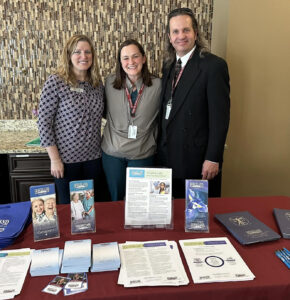
“I could see relief on the faces in the audience,” Kristi adds. “They appreciated an open dialogue and safe space to talk.”
Kristi hopes her community outreach efforts will inspire more conversations about how we all want to spend our final stages of life and the resources available. This includes Homeland’s palliative care program and its other continuum of care services. She has dedicated her career to providing the highest, most compassionate care possible for patients and their families along with knowledge and resources for everyone to plan for their future health needs.
“I am honored to be an advocate for patients and their families,” Kristi says. “This work makes me a better person.”
For more information on Homeland’s Palliative Care program or to request a consultation, visit homelandcenter.org or call (717) 221-7890.